
Stages of Change in the Addiction Recovery Process
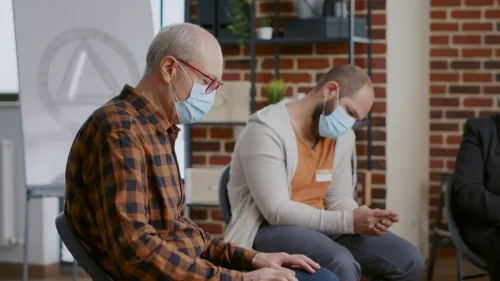
They allow people to explore options without fear of exposure or judgment. Compassionate staff members are trained to guide individuals through this vulnerable stage. They help them see that seeking help stages of alcoholic recovery is not a weakness but a brave act. The beginning of alcohol misuse could start with occasional excessive drinking, but even these episodes can cause brain changes. Chronic alcohol use can compromise brain function, making it difficult for a person to control their misuse and leading to chronic misuse.
Stages of Addiction Recovery
In 12-step groups, members believe that there is no cure for alcoholism, so that they may disagree with this sixth stage. When you have been sober for a long time, and you don’t think much about having a drink, it can be more of a matter of semantics whether you consider yourself to be recovering or recovered. You may find it interesting that proponents of the Sinclair Method refer to it as a “cure” for alcoholism.
Insurance Providers
For example, if you used to come home from work, get yourself a drink and flop down on the couch, even the straightforward act of sitting down can trigger cravings based on muscle =https://ecosoberhouse.com/ memory. You don’t have to drastically change your routine by standing up all night instead. Even a minor change like taking a shower as soon as you get home can help stop cravings.
- This stage focuses on developing coping mechanisms and establishing supportive networks to maintain sobriety in the long term.
- Next is contemplation, recognizing there’s a problem and thinking of changing.
- Using dialectical behavioral therapy to treat addiction is very popular and successful.
- In it, individuals commit to change and take steps toward recovery.
- Action means actually making those changes through treatment.
Discover the 5 advantages of inpatient drug rehab for comprehensive care, support, and long-term recovery.
- For instance, when addressing smoking cessation, clinicians employing this model delve into aspects like lifestyle, diet, and exercise habits, recognizing their impact on overall health.
- In this stage, individuals begin to experience more pronounced signs and symptoms of alcohol addiction.
- These stages can help prevent relapse and support people to live healthier, fuller lives.
- I believe that we have to go with the scientific evidence and clinical experience that medical treatment does work well for certain types of addiction.
- The 12-step proponents may argue that abstinence and the steps are the only way.
- The goal of behavioral therapy is to identify triggers and develop strategies to manage cravings and prevent relapse.
- As a result, overcoming guilt and negative self-talk is vital.
Or they Halfway house could claim that it’s common to drink to relax and say that it’s no big deal. At this stage, defense mechanisms are in high gear, and people are reluctant to even acknowledge they have a problem. They may try to avoid the topic of their drinking or minimize the negative impacts of their alcohol use. This stage typically starts 3–5 years after you’ve stopped drinking.
Men’s Rehab: Treatment Programs & Centers
The recovery process takes time, effort, willpower and support, but the sober life at the end is worth it. However, it can be easy to get discouraged along the way, which is why addiction experts have created a model that can help you visualize a path to recovery. Once the problem has been acknowledged, accepting the need for help is the next crucial step.
What Are the Legal Consequences of Alcohol Abuse?
Other steps are to put together a support system of family and friends and to join a support group. Having a strong support system is vital for keeping sobriety. The support of friends, family, or professionals can motivate and assist in overcoming recovery challenges. The link between mental health and substance abuse recovery is crucial. When mental illnesses are also present, recovery becomes much harder17.

Post-acute withdrawal
Behavioral therapy and counseling are integral components of the rehabilitation stage of alcohol recovery. These therapies help individuals develop new coping skills, modify harmful behaviors, and establish healthier thought patterns. The goal of behavioral therapy is to identify triggers and develop strategies to manage cravings and prevent relapse. By understanding the importance of alcohol rehabilitation and the various stages involved, individuals can embark on their journey to recovery with confidence and hope.
I’m Seeking Help
Another critical component of this stage is identifying triggers. Triggers can stem from environmental factors, interpersonal relationships with friends and family members, or even internal thought patterns. It’s vital to recognize these triggers to develop coping strategies. They foster connection and provide a safe space for sharing experiences.
They also inspire people to discover new passions and goals. This boosts their motivation and engagement, as recovery takes time and commitment. Access to ongoing support resources is another key element of this stage.
Careers — Join Our Team
How will you tailor this detox timeline to fit your unique needs? Your journey to recovery is personal, and every small step counts. Individuals may experience rapid shifts between feelings of optimism and despair, or between calmness and anxiety. These mood swings are partly due to the brain’s ongoing process of chemical rebalancing.